
Currumbin welcomes rare red panda 'Shardul'
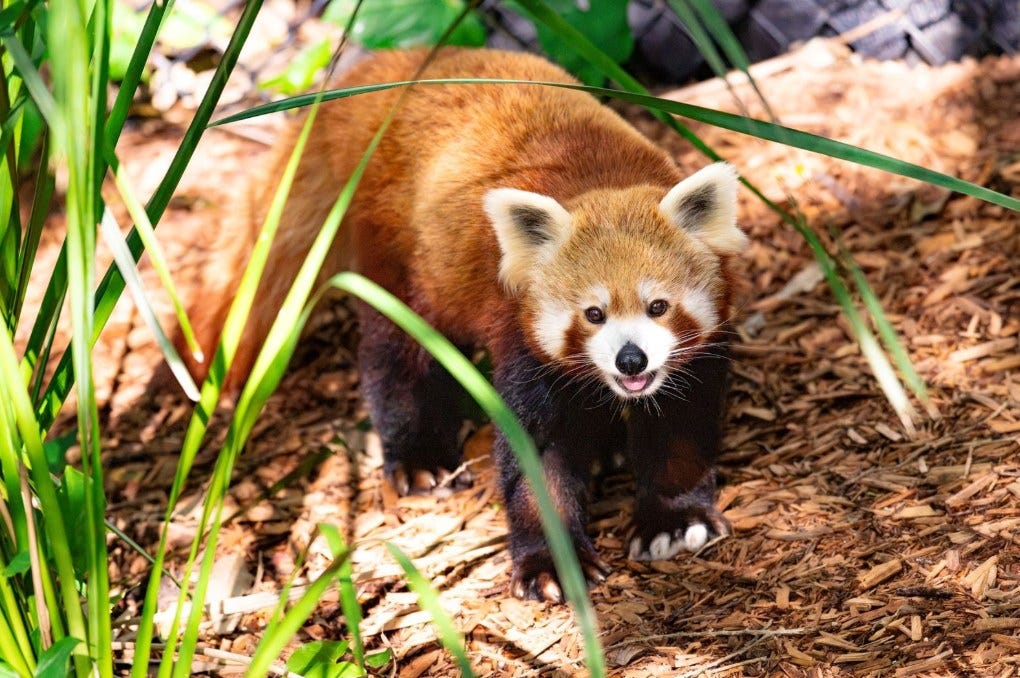
'Shardul' the rare Red Panda has arrived at Currumbin Wildlife Sanctuary.

What’s happening?
Rare footage has captured Shardul the Red Panda taking his first steps into his new home at Currumbin Wildlife Sanctuary on the Gold Coast.
The never-before-seen vision follows his move from Halls Gap Zoo in Victoria to Currumbin. It shows his airport pickup, his health check at Currumbin Wildlife Hospital, and his first moments inside his new habitat.
Keepers said Shardul showed confidence almost straight away. He began exploring shortly after his transport crate was opened, with keepers using grapes to help him move forward.
He is now settling into the Lost Valley precinct, where keepers report he is eating well and taking in his new surroundings.
Shardul will eventually be introduced to Zeya, Currumbin’s resident female Red Panda. Keepers will take that process slowly, giving both animals time to adjust.
Why it matters?
Shardul’s arrival gives Gold Coast visitors a close look at an endangered species few Australians ever see.
Red Pandas are native to the cool mountain forests of the Himalayas. They are known for rust-coloured coats, ringed tails, and strong climbing skills.
They also have a specialised “false thumb”, which is an extended wrist bone. It helps them grip bamboo with surprising precision. Their paws are covered in thick fur, which helps protect them in icy mountain conditions.
At Currumbin Wildlife Sanctuary, Shardul will act as an ambassador for his species. His presence helps bring attention to the threats facing Red Pandas in the wild, including habitat loss, climate change and poaching.
Local Impact
Shardul adds another major wildlife experience to one of the region’s best-known visitor attractions.
Families, school groups and tourists can now meet him at Lost Valley while learning more about endangered wildlife. His arrival also gives keepers another way to explain conservation in a clear and personal way.
The move also highlights the work behind animal care at Currumbin, from transport and health checks to daily keeper support.


By the Numbers
Shardul is 10 years old, making him a mature male Red Panda settling into a new habitat.
Zeya is 4 years old and is already a favourite with visitors at Currumbin Wildlife Sanctuary.
Fewer than 10,000 Red Pandas are estimated to remain in the wild, with the species listed as endangered.
Zoom In
Wildlife Keeper at Currumbin Wildlife Sanctuary, Alice Greenup, was there when Shardul arrived.
“He came over on the plane from Halls Gap Zoo. It was a little bit of a trip for him, but he handled it really well, and he’s nice and settled now.”
Greenup said Shardul’s first moments in his new home were a positive sign for keepers.
“He’s a very bold, very confident Red Panda, and he honestly did better than expected. Pretty much as soon as I opened the door, he had his head out, ready to go. I used a couple of grapes just to get him moving a bit, but then he got straight into exploring - very confident. Lots of scent marking, which is a really great sign that he’s nice and comfortable.”
That early confidence matters because scent marking can show an animal is becoming comfortable in a new space.
Zoom Out
Shardul’s story is bigger than one animal arriving on the Gold Coast.
Red Pandas face serious pressure across their natural range. Habitat loss, climate change and poaching continue to threaten their future in the wild.
By giving visitors a chance to see Shardul up close, Currumbin Wildlife Sanctuary can turn public interest into awareness. It also helps people understand why conservation work matters beyond Australia.
What To Look For Next?
Keepers will continue helping Shardul settle into Lost Valley before gradually introducing him to Zeya.
If the pair responds well over time, Currumbin Wildlife Sanctuary may one day have very exciting news to share.
For now, visitors can meet Shardul at Lost Valley and learn more about the endangered Red Panda.


