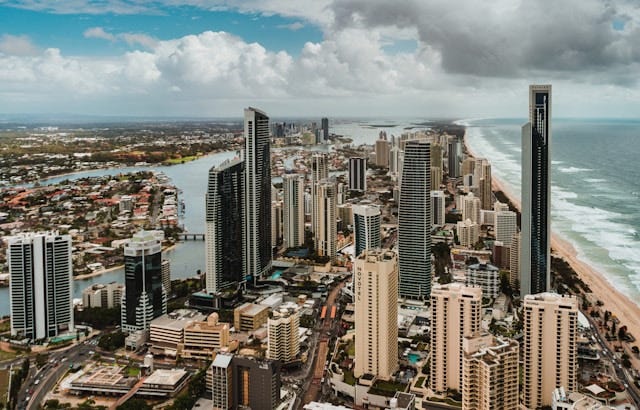
Gold Coast housing supply hit by approval slowdown
Gold Coast housing supply is under strain after approvals fell 11.2 per cent and builders called for action.
What’s Happening
The Gold Coast housing pipeline has taken a hit, with new dwelling approvals falling by 11.2 per cent.
The fall comes as Queensland struggles to keep housing targets within reach.
Master Builders Deputy CEO Michael Hopkins said new Federal Budget tax restrictions could make the supply problem worse.
The warning follows new Negative Gearing and Capital Gains Tax restrictions announced in the Federal Budget.
“At a time when we’re doing all we can to boost housing supply, the Negative Gearing changes will mean roofs over fewer Queenslanders’ heads. Government’s own figures show the changes will result in 35,000 less new homes nation-wide in the next decade, of which around 20 per cent would have been built in our state,” Michael said.
Why It Matters
The Gold Coast needs new housing across different types, including apartments and units.
A fall in approvals can slow the delivery of new homes in a market already under pressure.
The drop on the Gold Coast was linked to the renewed challenge of getting unit projects underway.
That matters because multi-unit housing is a major part of supply in growing coastal cities.

Michael said the Federal Budget did include some helpful measures.
“There are some bright spots in the Budget. The $2 billion Local Infrastructure Fund to help connect utilities like power, water, and sewerage will help fast-track new housing development. While Queensland’s share is unclear, it boosts the work the state government is doing via the Residential Activation Fund.”
By the Numbers
Across Queensland, multi-unit dwelling approvals plunged by 8.9 per cent in the March quarter.
Freestanding home approvals across the state rose by just 1.7 per cent, leaving housing targets further out of reach.
Government figures show the tax changes could result in 35,000 fewer new homes nationwide over the next decade.
Local Impact
For the Gold Coast, the main concern is the difficulty of getting unit projects moving.
That puts pressure on future housing choices, especially in areas where apartments and townhouses are needed.
Greater Brisbane also recorded a 3.2 per cent fall, while Downs & Western, including Toowoomba, fell by 33.4 per cent.
Wide Bay Burnett recorded a 34.6 per cent fall, ending what had been a strong run for the region.
The remaining Queensland regions recorded gains.
Zoom In
Builders are also facing higher material and fuel costs linked to the Middle East conflict.
Michael said some Budget measures would help small businesses manage rising costs.
“The permanent Instant Asset Write-Off for small businesses will help put money back into their pockets. The much-needed move to give builders and tradies free access to the Australian Standards will also save them up to $1600 a year, cut more red tape, and help them stay safe and compliant.”
Zoom Out
The workforce gap remains the biggest issue for Queensland’s building industry.
The Federal Budget included measures to assist skilled migrants and existing visa holders.
However, Michael said there was nothing for apprentices or the small businesses that train them.
“We now turn to the Queensland Government to fill these gaps with the upcoming State Budget,” Michael said.
“A subsidy of at least a 50 per cent rebate on first-year wages would better position more SMEs to take on apprentices, and subsidised access to group training would also go a long way. The $19m Small Business Apprenticeship Pilot Program needs to be expanded and extended, along with the Free Construction Apprenticeships for Over 25s program to encourage mature workers.”
What To Look For Next?
The State Budget now becomes the next major test for Gold Coast housing supply.
“With the Federal Budget done and dusted, this is an opportunity for the Queensland Government to move decisively to shore up housing supply and the workforce behind it.”