

Queensland records first H5 bird flu detection
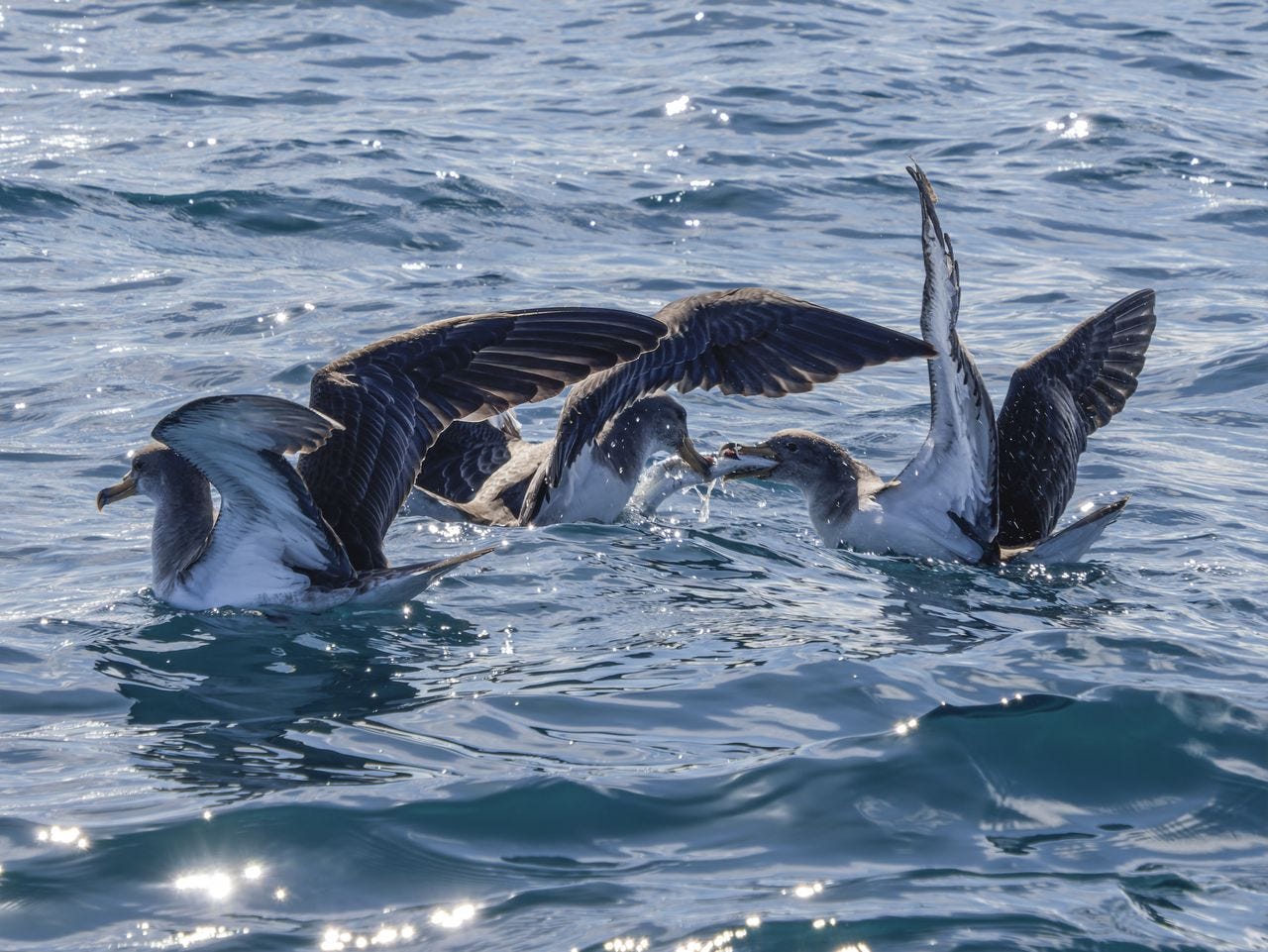
A dead petrel found on Moreton Island has tested positive for H5 bird flu.

What’s happening?
A dead petrel found on Moreton Island, also known as Mulgulpin, has tested positive for H5 high pathogenicity avian influenza (H5 bird flu). Queensland Parks and Wildlife Service (QPWS) rangers found the seabird before it underwent laboratory testing.
The CSIRO Australian Centre for Disease Preparedness confirmed the positive result. There have been no detections in poultry or evidence of large-scale animal deaths across Queensland.
Authorities said the risk to human health remains low. However, the community should continue reporting sick or dead wild birds.
Why it matters?
The detection confirms H5 bird flu has reached Queensland following cases in several other Australian states. Queensland has prepared for its arrival and has response arrangements in place.
Australia also has national measures for emergency animal disease incidents. These arrangements support surveillance, testing and public guidance when possible cases are reported.
Local Impact
People visiting or living near Moreton Island should remain alert for sick or dead seabirds and other wildlife. Anyone who finds an affected animal should avoid contact and keep children and pets away.
Residents should record what they see and immediately call the Emergency Animal Disease Hotline on 1800 675 888. Public reports will help authorities identify and assess possible cases.
By the numbers
This positive result marks Queensland’s first confirmed detection of H5 bird flu.
Australia’s first case was reported in Western Australia on 20 June 2026.
Queensland has received more than 1,000 hotline reports since the first Australian case was reported.
Zoom In
Department of Primary Industries Chief Veterinary Officer Dr Allison Crook said authorities had prepared for a Queensland detection.
“We have known that a H5 bird flu detection in Queensland was a matter of when, not if,” Dr Crook said. “This confirmed positive result has not impacted our poultry sector or native wildlife.”
Dr Crook said surveillance had increased across Queensland, alongside activities to help industries and communities understand how to respond.
“We have further escalated our surveillance program throughout the state, and are delivering heightened H5 bird flu awareness and engagement activities to ensure industries and communities know what to do,” she said.
“There have been more than 1,000 reports from Queensland to the hotline since the first reported case on 20 June 2026, and I thank the public for their support. I encourage the community and industry to continue to be vigilant.”
Dr Crook also urged people not to touch sick or dead wildlife.
“If you find sick or dead wild birds or wildlife, avoid contact, keep children and pets away, record what you see, and report immediately to the Emergency Animal Disease Hotline on 1800 675 888.”
Zoom Out
Further detections have been recorded in wild seabirds across Western Australia, South Australia and New South Wales.
Queensland’s preparations form part of broader national arrangements for responding to emergency animal disease incidents. Surveillance and community reporting remain central to tracking the virus.
What To Look For Next?
Queensland will continue its heightened surveillance and awareness activities across the state. Authorities will also assess public reports of sick or dead wildlife for possible further detections.
No poultry cases or large-scale animal deaths have been recorded, but residents are being asked to remain vigilant.