

Students join 127-hectare Kings Forest habitat restoration
Tweed students join Kings Forest habitat restoration, helping plant 30,000 native trees.

What’s happening?
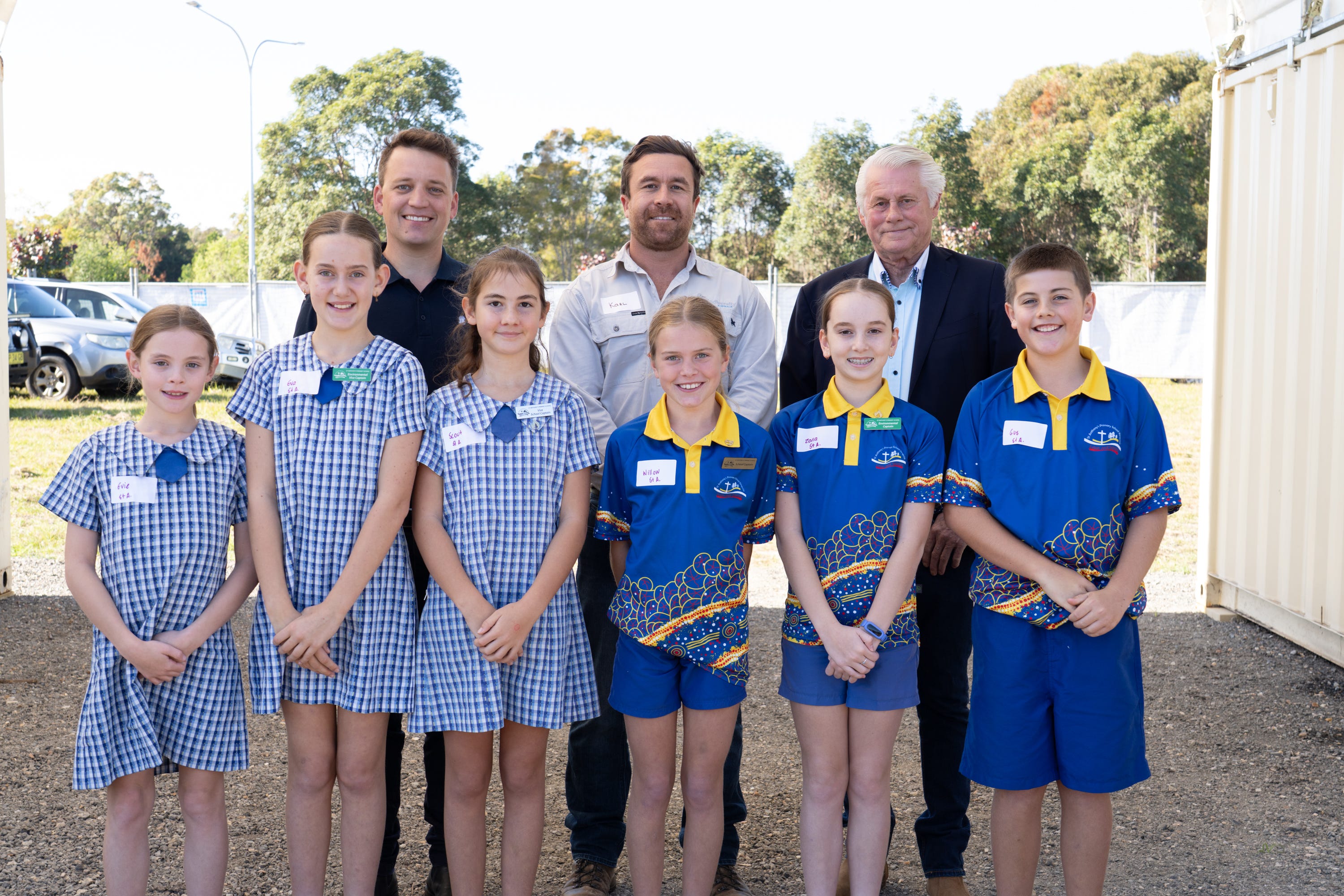
Student leaders from five Tweed Coast schools have joined a long-term environmental restoration program at Stockland Kings Forest.
The students marked National Tree Day by planting native vegetation on Monday, 27 July. The event supported the rehabilitation of land previously used as a commercial pine plantation.
Students attended from Kingscliff Public School, St Anthony’s Catholic Primary School and Lindisfarne Anglican Grammar School. Leaders from Cudgen Public School and Bogangar Public School also took part.
Biodiversity Australia is delivering the current works package. The fully Indigenous-owned environmental management business has led ecological restoration projects across Australia for more than two decades.
Why it matters?
The rehabilitation program combines natural bush regeneration with the planting of locally native species. This work will return the former plantation land to native bushland while strengthening wildlife corridors across Kings Forest.
Selected plants include eucalypts, banksias, paperbarks, grass trees, sedges, rainforest trees and flowering shrubs. Together, they will recreate local ecosystems and provide food and shelter for native wildlife.
The restored habitat will support threatened species, including koalas and the Wallum Sedge Frog. It will also improve the health of local creeks, wetlands and surrounding bushland corridors.
Plant survival and growth will be independently monitored over several years. This will help ensure the regenerated bushland becomes healthy and self-sustaining.


Local Impact
Dedicated habitat zones will include koala food trees and stronger green links throughout the community. These connected areas will help wildlife move between feeding, shelter and breeding grounds.
The planting also gives local students a direct role in caring for the Tweed Coast environment. Their work will form part of the growing native landscape as Kings Forest develops.
The environmental program will support new housing while retaining extensive conservation and rehabilitation areas across the site.
By the Numbers
More than 30,000 native trees will be planted to restore wildlife habitat on former pine plantation land.
The staged program covers 127 hectares, an area equal to almost 180 soccer fields.
The program includes 66 locally native plant species selected to rebuild ecosystems and support threatened wildlife.


Zoom In
Stockland Project Director Alex Koerber said the program reflected the company’s commitment to environmental restoration alongside the delivery of new homes.
“This first tree planting marks the beginning of a multi-year program to progressively restore over 300 hectares of native bushland across Kings Forest,” Mr Koerber said.
“It’s especially meaningful to see local students taking part and helping shape the future landscape of Kings Forest. Their contribution supports the restoration of native habitat and demonstrates the important role communities play in caring for the environment.”
Member for Tweed Geoff Provest welcomed Stockland’s environmental restoration work and its focus on habitat for local wildlife.
“Kings Forest is set to deliver new homes for many families in the years to come and the 30,000 native trees being planted will deliver native homes for a diverse array of wildlife families including our precious koalas,” Mr Provest said.
Zoom Out
Kings Forest is an 869-hectare masterplanned community on the Tweed Coast. It will provide more than 4,000 homes for about 11,000 residents.
Plans include a town centre, schools, childcare, parks and sports facilities. The community will also contain 330 hectares of dedicated conservation and rehabilitation areas.
Kings Forest is minutes from Casuarina Beach, Kingscliff and the new Tweed Valley Hospital. Residents will have access to health, education, retail and employment centres.
The community also has road connections to Gold Coast Airport and the M1.


What To Look For Next?
Native planting and natural bush regeneration will continue in stages across Kings Forest over several years.
Independent monitoring will track plant survival and growth as the restored habitat develops. The program aims to establish self-sustaining bushland and connected wildlife corridors throughout the community.
Details about Kings Forest and available homesites are available through the Stockland website.