Tate and Luhrmann seek MAD partner
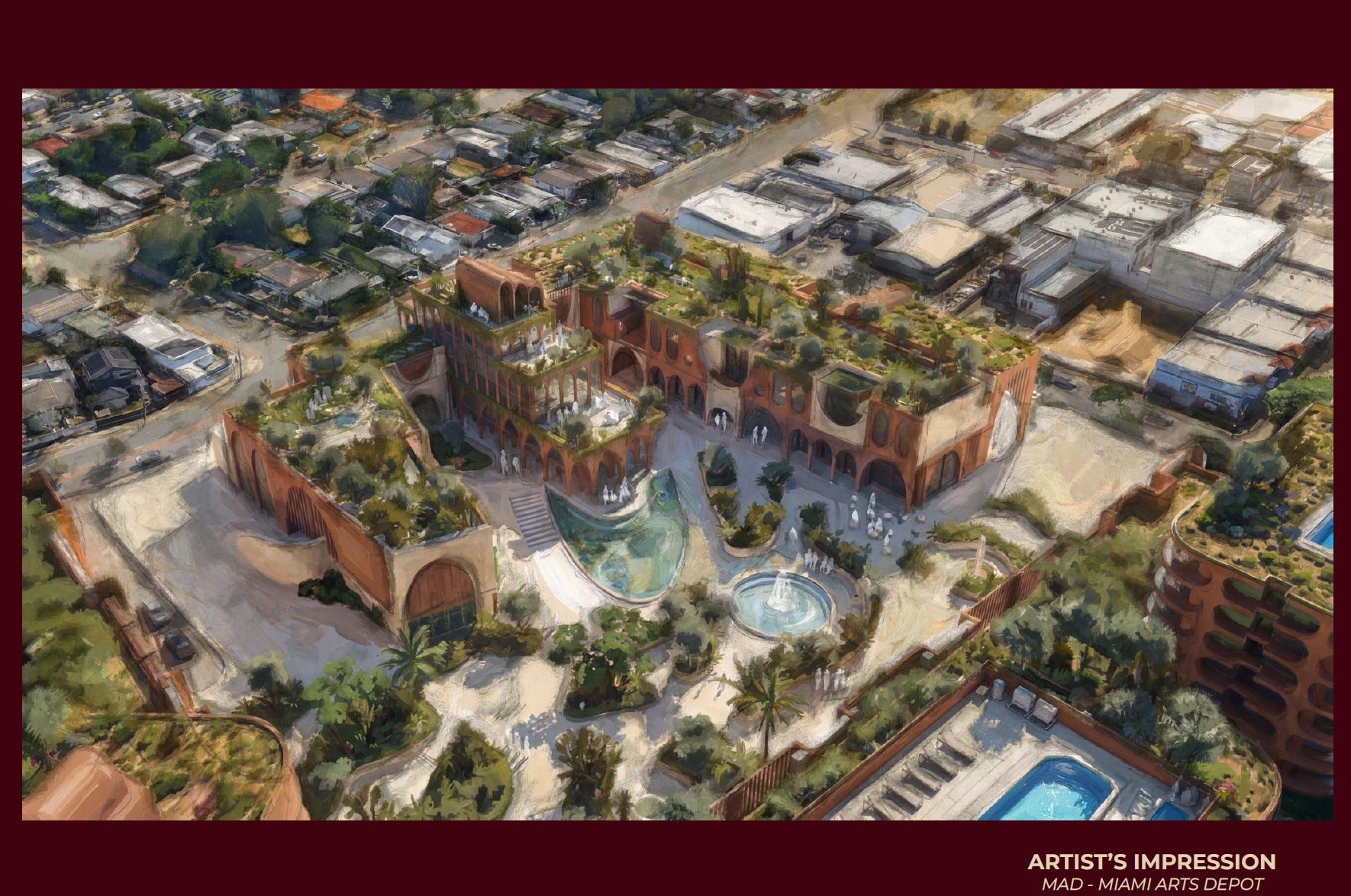
The City of Gold Coast and award-winning international film director Baz Luhrmann are teaming up to find a partner to develop a creative industries hub on a 4ha site in Miami
The Miami Arts Depot, to be known as MAD, is estimated to generate total benefits of $2.6 billion or $131 million annually and support more than 1000 direct and indirect full-time jobs per year.
Bazmark, the production company run by Luhrmann and his partner Catherine Martin, is already planning to attract film production investment of more $500 million in the Gold Coast over the next five years, creating 8700 jobs
Mayor Tom Tate said the Miami Arts Depot project was “a rare and catalytic opportunity” to shape the future of the city’s creative economy.
“It is time to roll out the red carpet and invite Expressions of Interest for one of the most exciting projects in our city’s history,” Mayor Tom Tate said
“The Miami Arts Depot will help shape the Gold Coast’s creative arts industries, driving inbound investment and leveraging our burgeoning film, television and digital sectors.
“This is a rare opportunity to help shape the future of the Gold Coast, attract global talent and investment and position our city on the international stage.
“Importantly, the precinct masterplan is a joint vision between the City and acclaimed Australian film director Baz Luhrmann.”
Under the plan, the arts precinct would be built on the site of the council’s Miami depot at Ozone Parade, backing onto the Burleigh Bears playing field.
The council is running an Expressions of Interest campaign until July 31, looking for development partner to redevelop the site.
The council has made MAD “a priority investment project”. It hopes to transform the site into a world-class, mixed-use creative precinct integrating screen production, technology, visual effects, gaming and innovation alongside residential, retail and commercial uses.
When operational, MAD is designed to boost production film capabilities in segments like pre- and post-production as well as visual effects and digital content.
Queensland was Australia’s number one state for screen production in 2024-25, achieving a record $925 million in local expenditure. The Gold Coast grabbed the lion’s share of that expenditure, capturing $548 Million in expenditure.